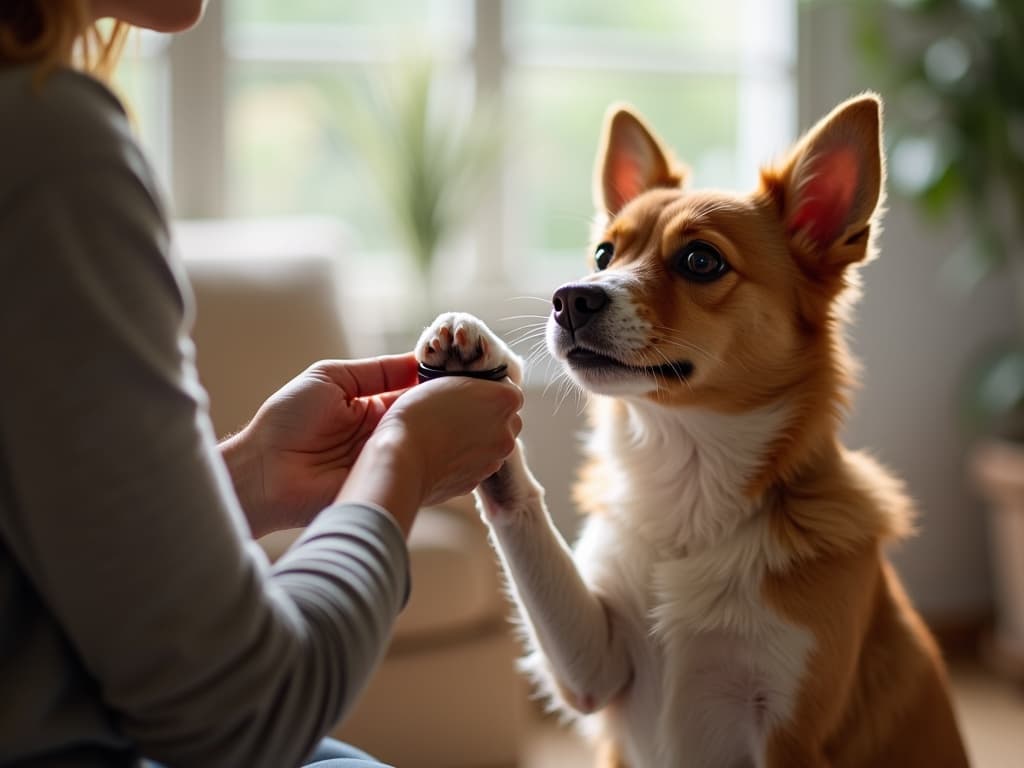
If your dog ever seems confused about what earned a treat, marker training is the answer. A marker is a distinct signal, often a click from a small handheld clicker or a consistent word like "yes," that tells your dog the precise moment they did the right thing. That clarity turns fuzzy guesswork into crisp, fast communication.
Why timing changes everything
Dogs live in the moment, and they connect rewards to whatever they were doing in the instant before it arrived. The trouble is, by the time you reach for a treat, your dog may have already sat, stood, and looked away. A marker bridges that gap. Click at the exact second your dog's bottom hits the floor, and even though the treat comes a moment later, your dog knows exactly which action paid off.
The marker is a promise. It says, "That is what earned it, and a reward is on its way." Every click must be followed by a treat to keep that promise true.
Charge up the marker
Before the marker can teach anything, your dog needs to learn what it means. This step is often called loading or charging the clicker.
- In a quiet room, click once and immediately give a treat
- Repeat ten to fifteen times, with no behavior required
- Watch for the moment your dog perks up at the click, expecting food
- Now the marker has meaning and you are ready to train
Mark the behavior you want
With a charged marker, you can capture behaviors as they happen. Wait for your dog to offer something you like, such as sitting or making eye contact, then click the instant it occurs and reward. You can also lure a behavior gently with a treat and mark the moment your dog follows into position. Because the click is so precise, your dog learns far faster than they would from praise alone.
Common mistakes to avoid
A few simple habits keep marker training clean. Only click once per behavior, since a rapid-fire of clicks muddies the message. Always follow a click with a reward, even if you clicked by mistake, so the marker never loses meaning. And keep the clicker as a teaching tool rather than a way to get your dog's attention, because it should always mean "you just earned that," not "look over here."
Fade the tool over time
Once a behavior is solid and on a cue, you no longer need to mark and treat every single time. You can gradually reward more selectively and rely on the verbal cue, saving the clicker for teaching brand-new skills. Many trainers keep a marker word like "yes" for life because it is always in their pocket. However you use it, the principle stays the same: clear, well-timed feedback makes learning faster, reduces frustration, and builds a dog who loves to figure out what you are asking.
Want a plan built for your dog?
Get a free, personalized training plan in about 2 minutes.
Create My Free Plan