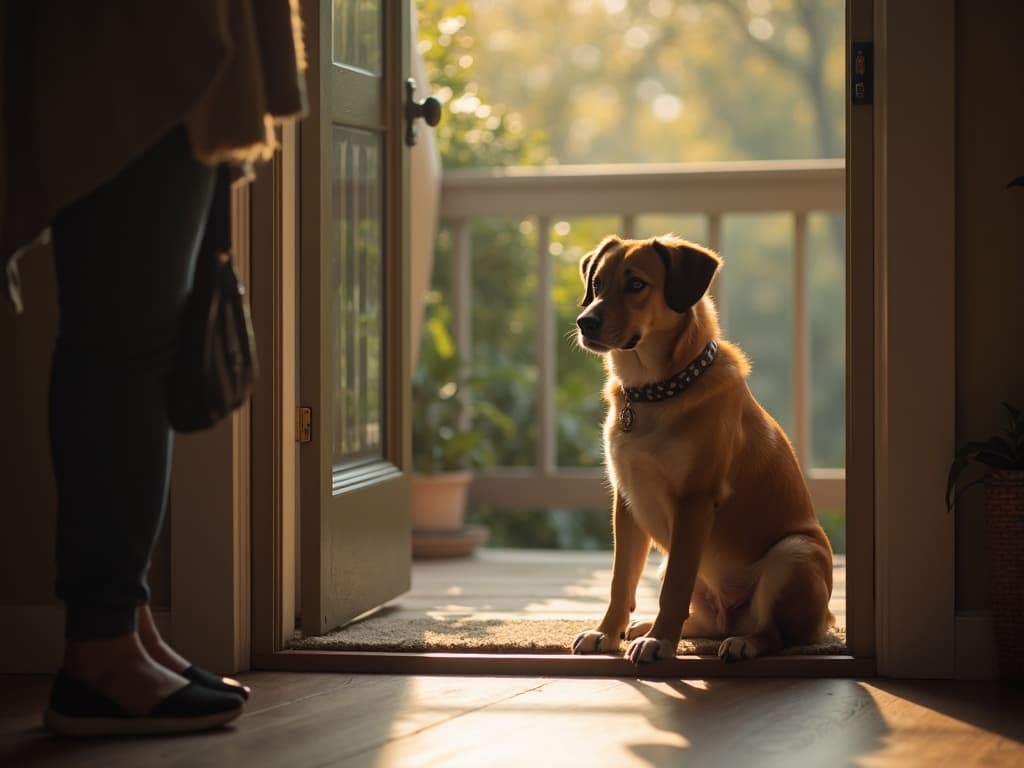
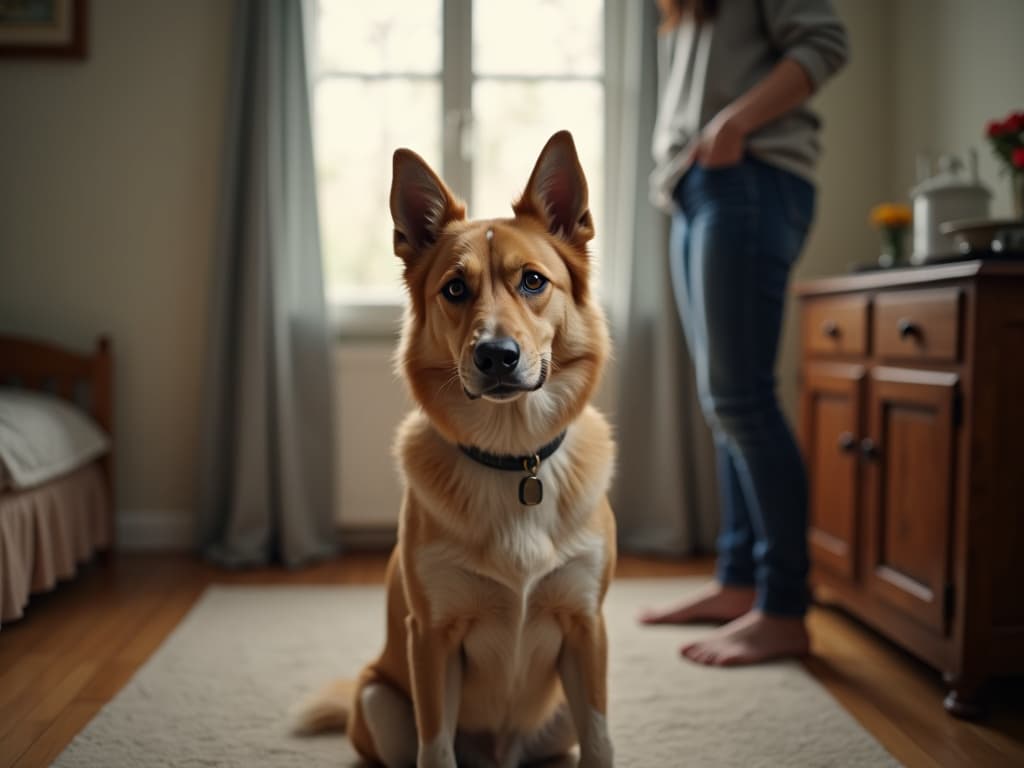
A solid stay is one of those quietly powerful skills that makes daily life smoother. It keeps your dog settled while you answer the door, safe at the roadside, and calm when guests arrive. The trick to teaching it well is to build slowly and never ask for more than your dog can give.
The three Ds
Every reliable stay is built from three elements, and you should only ever increase one at a time:
- Duration: how long your dog holds the position
- Distance: how far you move away from them
- Distraction: what else is happening around them
If you crank up all three at once, your dog will fail and get frustrated. Raise one, keep the other two easy, and lower your criteria whenever you make something harder.
Start with duration
Ask your dog to sit, then reward them a few times in a row for simply staying put while you stand right there. Begin with one second between treats, then two, then three. You are teaching your dog that staying still is a rewarding thing to do. Only when your dog can hold a comfortable ten to twenty seconds should you think about stepping away.
Add distance carefully
Now take a single step back and immediately step in to reward before returning to a longer duration. Keep your movements small and predictable at first. Some dogs pop up the moment you shift your weight, so exaggerate slowly and always return to your dog to deliver the reward rather than calling them out of the stay.
Return to your dog to reward the stay. Calling them to you rewards coming, not staying, and the two skills should feel different.
Introduce a release word
A stay only means something if your dog knows when it ends. Choose a clear release word such as "okay" or "free" and use it every time you want your dog to move. This removes the guesswork and stops your dog from creeping or bailing out early, because they learn that the stay lasts until that specific word.
Build in distractions
Once duration and distance are reliable in a quiet room, start adding gentle distractions. Drop a treat nearby, take a step to the side, or have a family member walk past. Begin with mild challenges and reward heavily for holding steady. Gradually work up to real-world situations like the doorbell ringing or another pet wandering through.
Keep it fair and fun
If your dog breaks the stay, it is information, not disobedience. It simply means the last step was too hard, so make the next repetition easier and rebuild. End every session on an easy success so your dog stays keen. With steady practice a few minutes a day, you will have a dog who can hold a calm, confident stay even when the world around them is busy, and that composure will serve you both in countless everyday moments.
Want a plan built for your dog?
Get a free, personalized training plan in about 2 minutes.
Create My Free Plan