Some dogs leap into the car with joy, while others tremble, drool, or plant their feet at the door. Car anxiety is common, and it often comes from either motion sickness or a negative association, such as the car only ever leading to the vet. The path forward is to rebuild the experience from the ground up so the car predicts good things and feels physically comfortable.
Rule out motion sickness
Puppies are especially prone to car sickness because the balance structures in their ears are still developing, and many grow out of it. Signs include drooling, lip licking, yawning, and vomiting. If your dog seems nauseous rather than fearful, talk to your veterinarian, who may recommend an anti-nausea medication that can make retraining far easier.
Break the trip into tiny steps
If your dog is anxious, do not start with a drive. Start with the car parked and switched off.
- Reward your dog just for approaching the car
- Next, reward them for putting a paw inside
- Then for climbing in and sitting while the engine stays off
- Only later start the engine briefly, then turn it off and reward
Each step should feel easy before you move to the next. If your dog balks, you have gone too fast, so return to the previous step.
The car should predict adventures, not just needles. Make most trips lead somewhere fun.
Make the destination worthwhile
If every car ride ends at the vet, your dog learns to dread the car. Break that pattern by driving to a park, a friend's house, or simply around the block followed by a game at home. When good destinations outnumber unpleasant ones, the car itself stops being scary.
Set up for comfort and safety
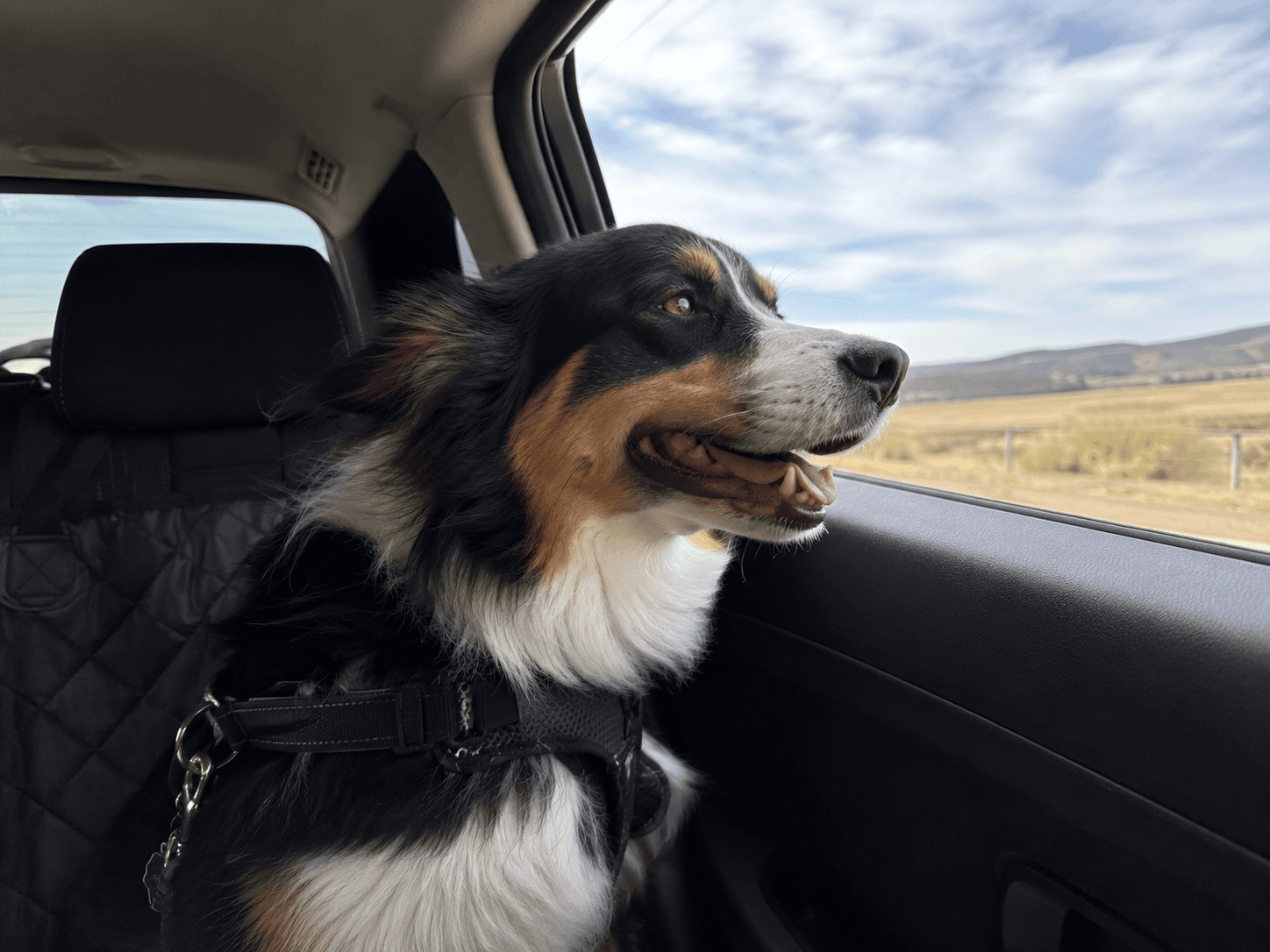
A secure, cozy spot helps a great deal. A crash-tested crate or a crash-tested harness clipped to the seat belt keeps your dog safe and often reduces anxiety by limiting the sliding and swaying that make dogs feel unsteady. Cracking a window for fresh air and keeping the car cool can also ease queasiness.
Keep early drives short and sweet
Your first real drives should last only a minute or two and end somewhere pleasant. Gradually extend the length as your dog stays relaxed. Bring a favorite chew or a stuffed toy to give them something positive to focus on.
Pack a comfort kit
A few small items can make every trip smoother. Bring a familiar blanket that smells like home, a favorite chew, water and a travel bowl, and a towel in case of drool or accidents. For longer drives, plan a stop so your dog can stretch, sniff, and relieve themselves. Having these essentials ready means you can keep outings positive instead of cutting them short when your dog gets uncomfortable.
Stay calm yourself
Dogs read our energy. If you are tense and rushing, your dog will notice. Keep your voice light, avoid making a fuss over fearful behavior, and reward calm confidence. With steady, patient practice, most dogs learn that the car is just the start of another good day.
Want a plan built for your dog?
Get a free, personalized training plan in about 2 minutes.
Create My Free Plan