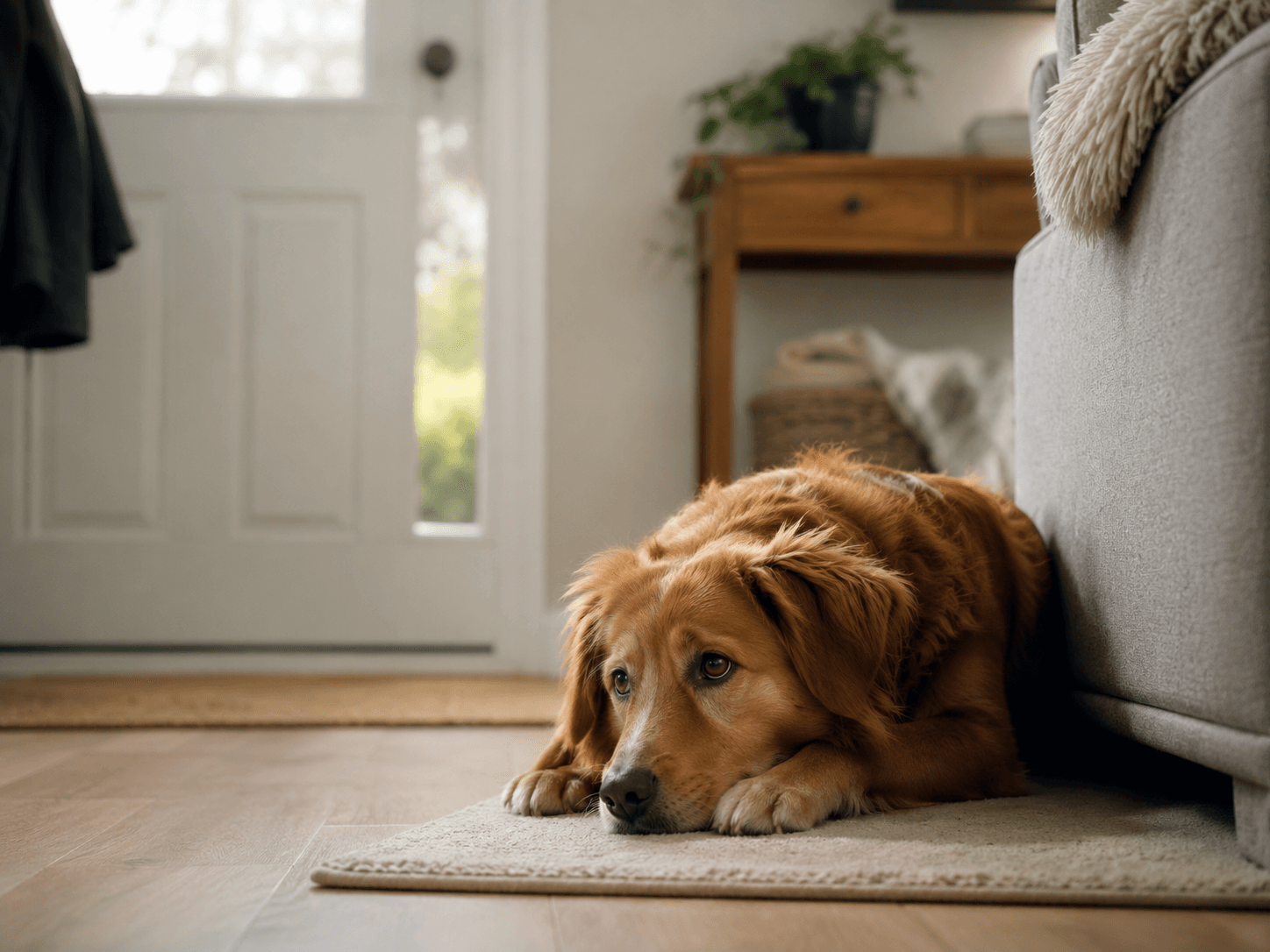
Separation-related distress is one of the most misunderstood dog behaviors. Barking, howling, pacing, or chewing when left alone is not spite or stubbornness. It is genuine anxiety, and the good news is that it responds well to a patient, structured plan built around your dog feeling safe.
Know what you are seeing
True separation anxiety shows up within the first several minutes of you leaving and often includes signs like drooling, destructive behavior focused on exits, house soiling in an otherwise trained dog, or non-stop vocalizing. A video of your dog while you are out is the best way to understand what is really happening and how quickly it starts.
Make your comings and goings boring
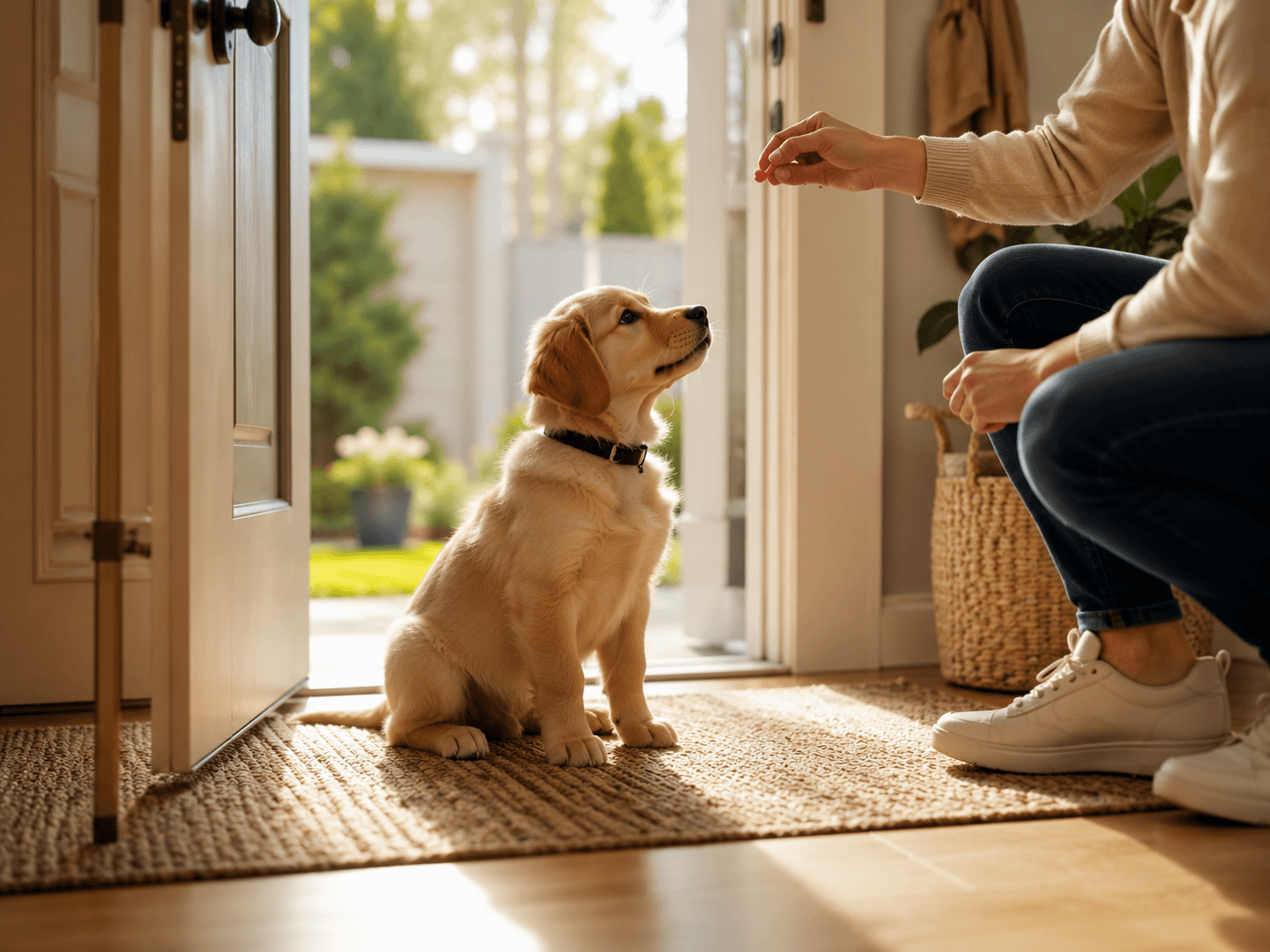
Big emotional hellos and goodbyes teach your dog that your departure is a dramatic event worth worrying about. Instead, keep arrivals and departures low key. Ignore your dog for a few minutes before you leave and for a minute or two when you return, then greet them calmly once they have settled.
Break the pre-departure cues
Dogs quickly learn that picking up keys, putting on shoes, or grabbing a bag predicts alone time, and the anxiety spikes before you even reach the door. You can defuse these triggers by doing them at random times without leaving. Pick up your keys and sit down. Put on your coat and make a cup of tea. Over many repetitions, those cues stop meaning "panic now."
Build alone time in tiny steps
The core of any plan is gradual desensitization. Start with absences so short your dog does not have time to worry, then build up slowly.
- Step out of the door and return before your dog reacts, even if that is only a few seconds
- Repeat, adding a little time only when your dog stays relaxed
- Vary the length so departures are unpredictable and not always getting harder
- End every session while your dog is still calm, never after they have started to panic
Progress is measured in your dog's calmness, not the clock. A relaxed thirty seconds beats a stressful ten minutes every time.
Set the scene for success
Give your dog a comfortable spot and something rewarding to do as you leave, such as a food-stuffed toy that takes time to work through. A long-lasting chew or a frozen treat can turn your departure into something mildly pleasant. Background noise from a radio or television can also help mask the outside sounds that sometimes trigger alarm.
Be patient and get help when needed
Rebuilding confidence takes weeks, not days, and pushing too fast will backfire. Avoid leaving your dog for longer than they can currently handle while you train, even if that means arranging a sitter or daycare in the short term. Every full-blown panic sets progress back.
If your dog's distress is severe, or you are not seeing any improvement, talk to your veterinarian or a qualified behavior professional. In some cases medication can lower anxiety enough for training to take hold. With consistency and kindness, most dogs learn that being alone is safe, and that you always come back.
Want a plan built for your dog?
Get a free, personalized training plan in about 2 minutes.
Create My Free Plan