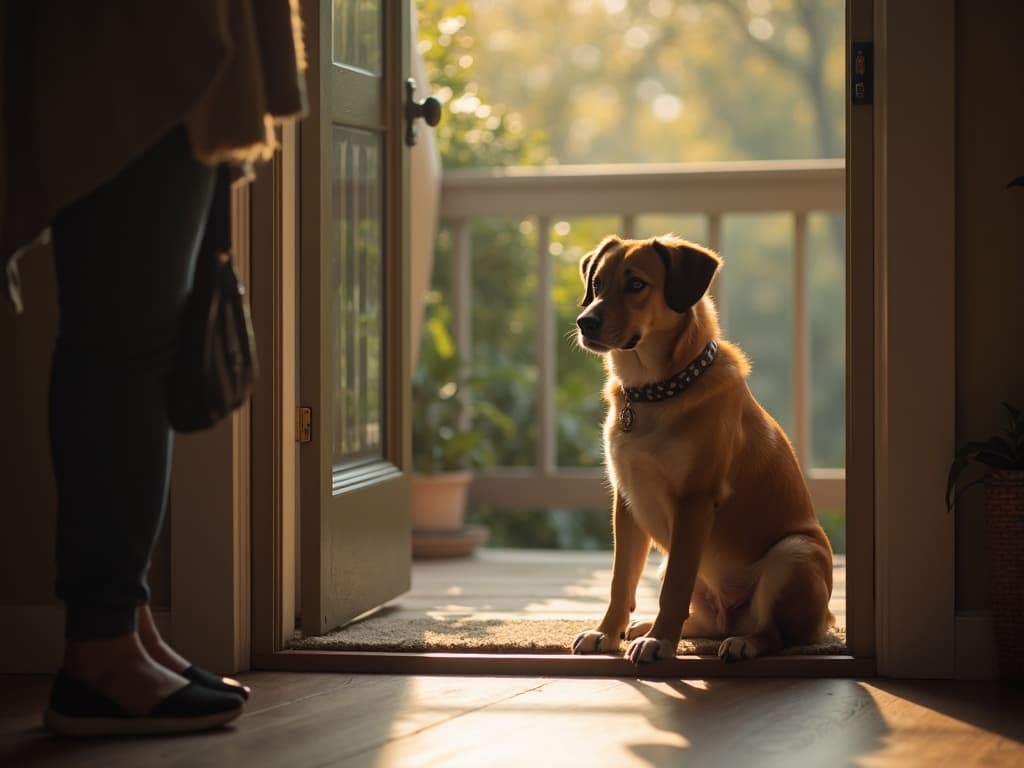
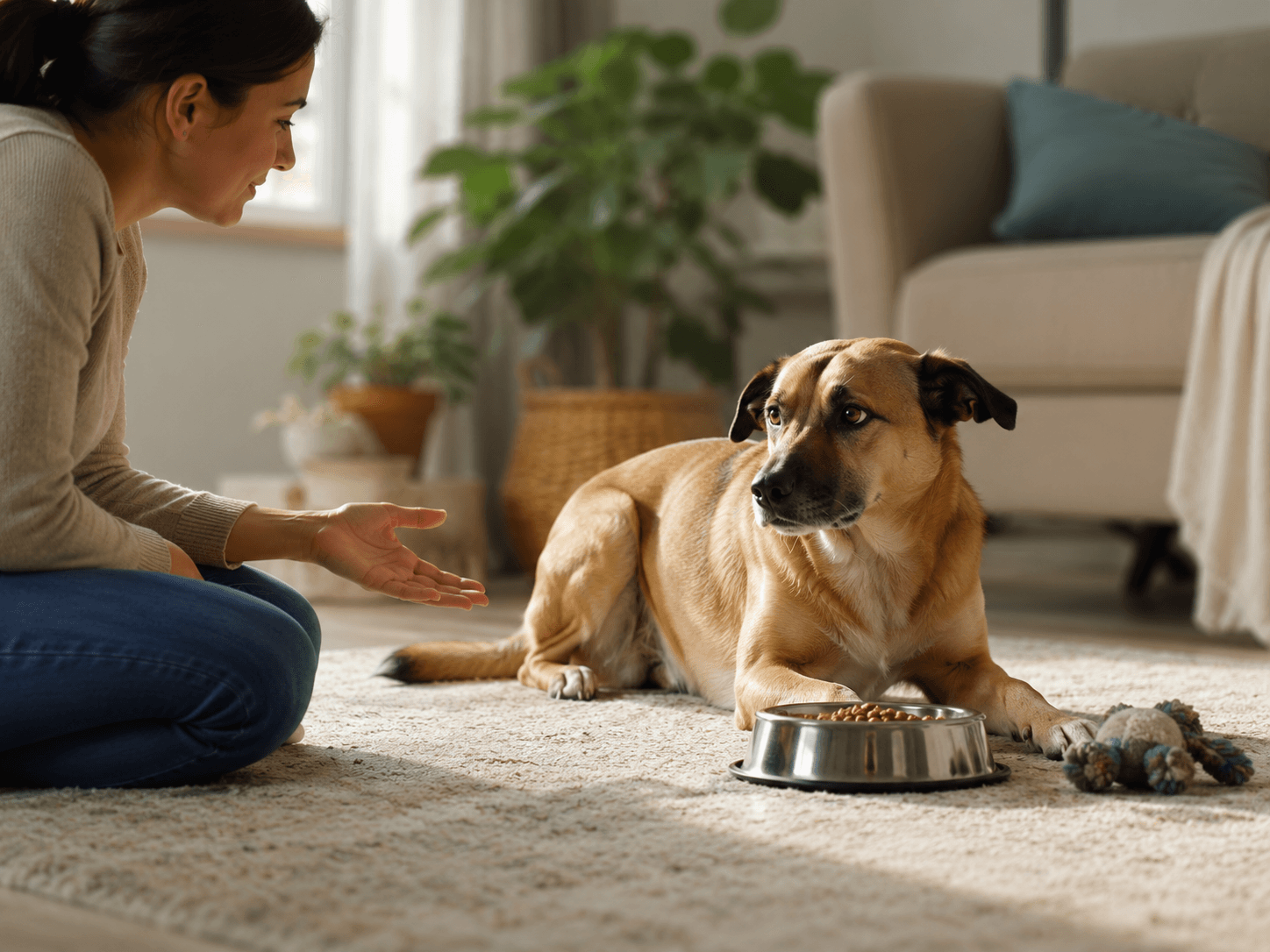
When a dog stiffens, growls, or snaps over a bowl, a bone, or a favorite toy, it can feel alarming. But resource guarding is a natural, deeply rooted behavior. In your dog's mind, they are protecting something valuable from being taken away. The aim of training is not to punish the warning, but to change how your dog feels so the worry disappears.
Respect the growl
A growl is honest communication. It is your dog politely saying they are uncomfortable, and it gives you the chance to respond before things escalate. If you punish the growl, you may suppress the warning without changing the emotion underneath, which can lead to a dog who bites without notice. Instead, listen to it, give your dog space, and use that information to guide your training.
Never punish a warning. A dog who is allowed to growl is a dog who tells you how they feel, and that honesty keeps everyone safer.
Become the bringer of good things
The heart of the plan is teaching your dog that your approach predicts something better, not the loss of what they have. This flips the emotion from "here comes a threat" to "here comes a bonus."
- Walk past your dog while they eat and toss a tastier treat toward the bowl, then keep moving
- Do not reach for the bowl or the item, simply add value and leave
- Repeat over many meals so your presence becomes a happy predictor
- Only close the distance over days and weeks as your dog stays relaxed
Trade, do not take
When your dog has something they should not, resist the urge to grab it, which only confirms their fear and can turn into a chase. Instead, teach a cheerful "trade" by offering a treat of equal or greater value in exchange for the item. Done consistently, your dog learns that giving something up leads to a reward and often getting the original item back too, so there is nothing to guard against.
Manage the environment
While you work on the underlying emotion, prevent rehearsals of the guarding. Feed your dog somewhere quiet where they will not be disturbed by children or other pets. Pick up high-value chews when you cannot supervise, and teach everyone in the household to leave the dog alone while eating. Management is not giving up, it is protecting your progress.
Know when to get help
Mild guarding often improves nicely with these steps, but guarding that involves biting, or that is directed at children, deserves professional guidance. A qualified force-free behavior professional can build a safe, tailored plan and coach you through it. With patience and trust-building, most dogs learn that hands coming near their treasures mean good things, and the tension that once surrounded the food bowl melts away into calm.
Want a plan built for your dog?
Get a free, personalized training plan in about 2 minutes.
Create My Free Plan